
For a lot of people, the Jeffrey Epstein story never really left. It just waits for a new artifact to surface, a fresh batch of images, a single name, and then it rushes back into the bloodstream of the internet like it never cooled.
This week, that name is Sergey Brin. And the mood online is not curiosity so much as compulsion.
The “new Epstein photos” moment that pulled Brin into the timeline
On December 18, House Oversight Democrats released another batch of images from Epstein’s estate, framed as part of a larger collection they say totals around 95,000 photos, with the Justice Department facing a December 19 deadline under the Epstein Files Transparency Act. The official statement describes the release as a redacted, representative sample meant to show Epstein’s network and “disturbing activities.” You can read that statement directly from the committee here
It is the kind of document dump that does not arrive quietly. Images travel faster than context, and the absence of captions becomes its own accelerant.
A cable clip about the release circulated almost immediately, because that is the new front page now, a video window and a comment section.
Where Sergey Brin appears, and what that does to a reader’s brain
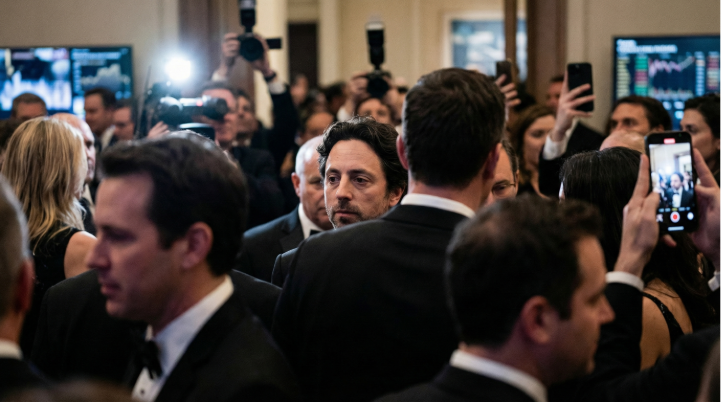
In the newly released set, Brin appears in photos that look like they were taken at formal gatherings, including an event described elsewhere as a 2011 dinner where he was seated near columnist David Brooks. The point that keeps getting repeated, and needs repeating, is that presence in a photo is not proof of wrongdoing, especially when dates, locations, and context are missing.
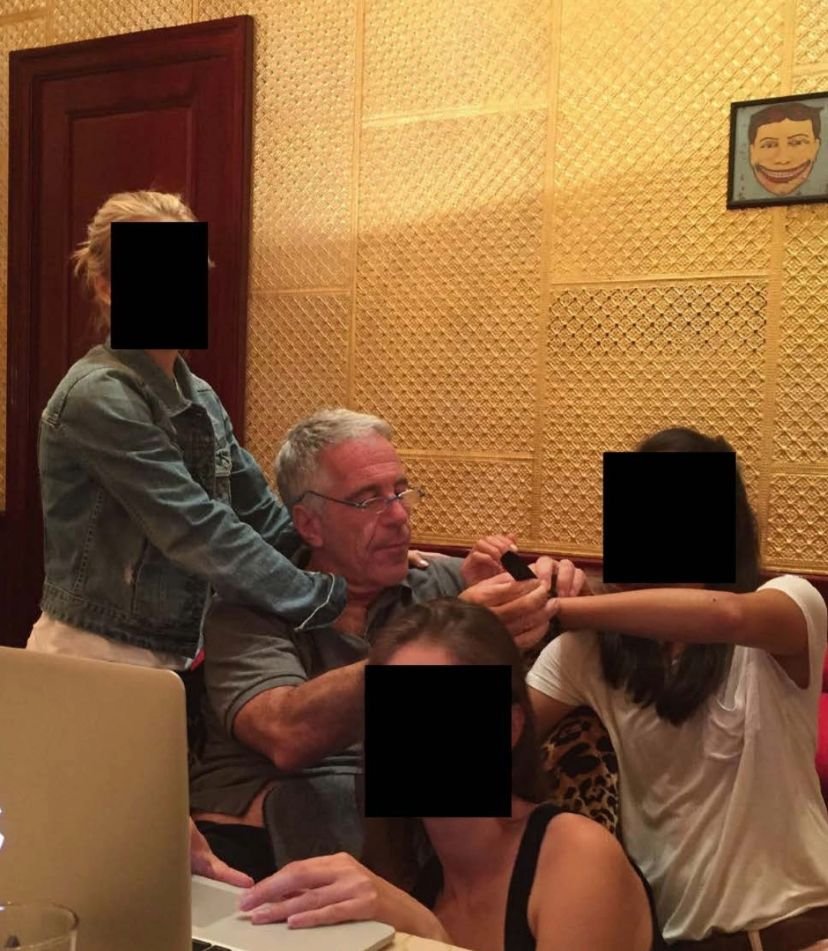
But this is exactly why “sergey brin news” spiked as a search. The internet reads images like a verdict, even when the image is only a breadcrumb.
And once a powerful person’s face is attached to an Epstein headline, people do not search carefully. They search urgently.
The “Lolita” detail that turned the story from political to visceral
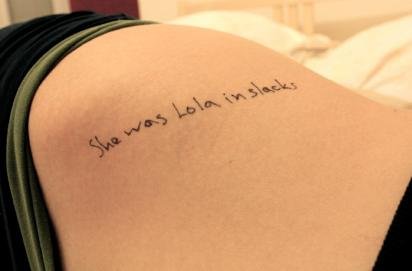
Part of what made this release feel different is not a celebrity face, but a grotesque aesthetic: photos that appear to show handwritten excerpts referencing Vladimir Nabokov’s Lolita on a woman’s body. It is an intentional kind of theatrical cruelty, the sort of detail that makes readers recoil, then scroll, then share.
That is how a phrase like “Sergey brin lolita” becomes a search term overnight, even though Brin is not the author of those markings and the images do not connect him to that specific element of the release. The algorithm does not care. The human nervous system does.
How “Sergey Brin child girlfriend” shows the darker side of search culture
One of the strangest things about this moment is the way people’s questions collapse into a single, ugly query. “Sergey brin child girlfriend” is not a headline. It reads like an accusation. In practice, it often reflects something more banal and more dangerous at the same time: people trying to ask about Brin’s children and Brin’s girlfriend in one breath, while the internet hands them a loaded phrase that can stain a reputation with nothing but proximity and panic.
This is how misinformation starts now, not always as a lie told loudly, but as a question typed clumsily, then repeated until it looks like a claim.
The Sergey Brin connection people keep missing in the noise
Separate from the viral swirl, reporting around Epstein’s network has long described how influence moved through institutions, including banking relationships and introductions in elite circles. In the latest coverage of the photos, Brin is also described as appearing within that broader ecosystem of events and connections that Epstein cultivated for years.
That is the uncomfortable reality of the Epstein story: there were countless rooms where powerful people gathered, and the real question is not who appears in a single frame, but how many doors Epstein managed to keep open for so long.
What happens next, and why this cycle keeps repeating
The committee is pressuring the Justice Department to release more material tied to Epstein as required by law, and the December 19 deadline has become its own ticking clock in the public imagination. When governments promise transparency on a story this toxic and fail to satisfy it, the vacuum fills with conspiracy, performance, and opportunism
What gets lost, every time, is the part that should be central: the victims and survivors, whose lives are not a trending search term, not a photo release, not a political weapon. They are the story. The rest is atmosphere.
And right now, the atmosphere is loud enough that even someone like Sergey Brin, who rarely moves through the news cycle as a person, can be pulled into it as a symbol.
That is what “Sergey brin new epstein photos” really means in 2025. Not a conclusion, but a collision of archive, outrage, and the internet’s inability to sit with uncertainty without turning it into something sharper.